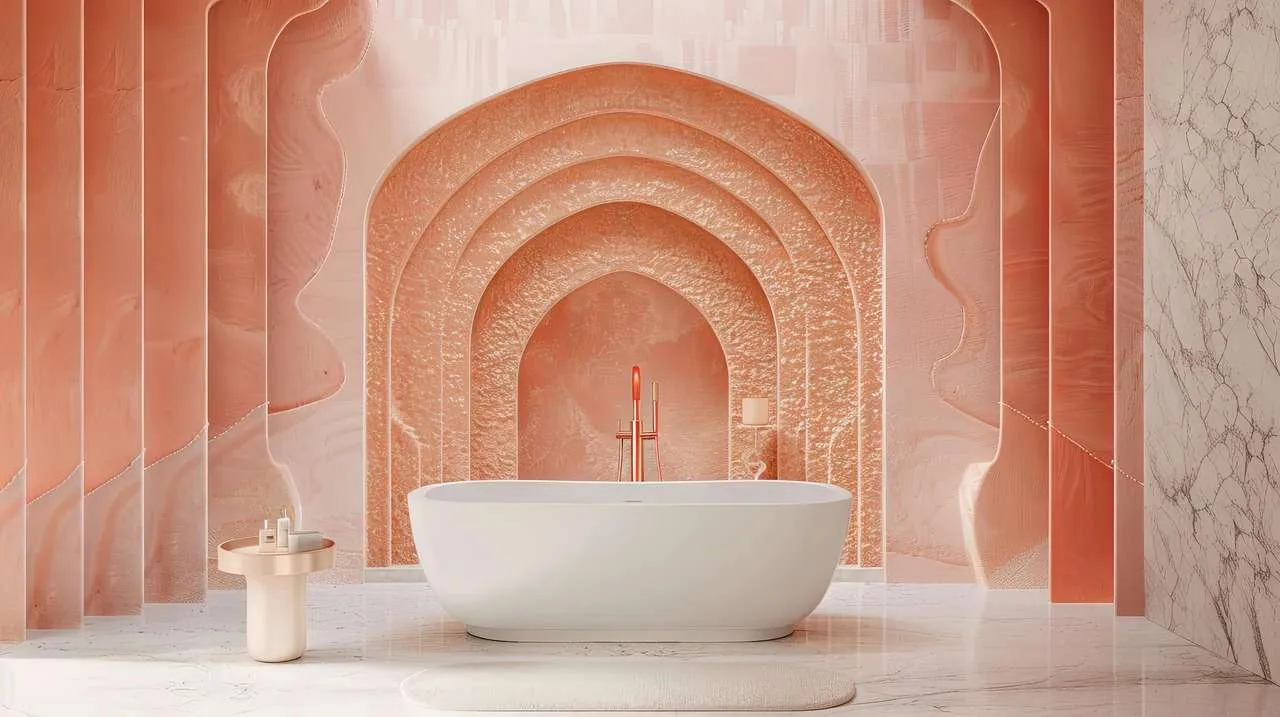
Renovating a small bathroom can feel daunting, but with the right strategies you can create a space that feels larger, more functional, and stylish. This guide shares vetted small bathroom ideas grounded in design principles and real-world experience. From layout choices to storage solutions and durable finishes, the aim is to deliver ideas you can implement without a complete remodel.
Smart Layouts for Small Bathrooms
Start with a clear plan that prioritizes built-in efficiency. Consider pocket doors to save floor space, wall-mounted toilets to create visual airiness, and a floating vanity that reveals more floor area. If you can rework the door, a sliding or pocket door is ideal; otherwise keep clearance for swinging doors. In tight rooms, fixtures that tuck into corners or recess into walls open sightlines and make the room feel larger.
Vertical planning is a powerful ally. Use tall, slender storage and wall shelves to keep essentials accessible without crowding the floor. For showers, opt for a curved or frameless glass enclosure to reduce visual bulk and reflect more light.
Light, Color, and Mirror Magic
Bright, cool-toned lighting and large mirrors bounce light through the space. Choose light colors for walls and large tiles with glossy or satin finishes to reflect more light. If possible, install a mirror that spans the vanity and extends to the ceiling to visually double the width.
Storage Solutions
Smart storage keeps clutter out of sight and the floor clear. Use a recessed medicine cabinet, wall cabinets above the sink, and open shelving for daily items. A shallow vanity with soft-close drawers and integrated organizers maximizes what you can store without crowding.
Fixtures and Accessories
Pick compact, water-saving fixtures and consider wall-hung options to free up floor space. Look for recessed niches in the shower, a towel bar mounted on a door, and a mirror with built-in lighting for a clean, functional aesthetic.
Materials and Finishes
Material choices affect the perceived size and ease of maintenance. Favor light, neutral palettes and large-format tiles to reduce grouting and create a seamless look. Glass, ceramic, and porcelain surfaces with low maintenance finishes stand up to humidity. Consider matte finishes for fixtures to minimize water spotting and glare.
Quick Comparison: Small Bathroom Ideas at a Glance
| Idea | Pros | Cons | Best For |
|---|---|---|---|
| Pocket door or sliding door | Maximizes floor space; keeps sightlines open | Slightly more costly; may require wall structure changes | Very small layouts and open plans |
| Floating vanity with deep drawers | Airy feel; easy cleaning under | Limited storage in some widths | Most bathrooms under 6-8 feet wide |
| Glass shower enclosure | Extends sightlines; reflects light | Visible wetness; needs maintenance | Small baths with separate shower |
| Recessed niche and built-in storage | Keeps items out of sight | Requires wall space and rough-in | Shower and bath storage |
| Light-colored tiles and large-format tiles | Less grout, brighter space | Potential glare; may require careful planning | Walls and floor continuity |
Practical planning and finishing touches
Beyond layout and materials, think about practical touches that boost usability. Install a heated towel rail for comfort, add a permeable rug that dries quickly, and ensure good ventilation to prevent moisture buildup. A well-chosen vanity mirror and ample lighting keep the space bright and convenient for daily routines.
In practice, the best small bathroom ideas balance function with atmosphere. Start by measuring your space, listing must-haves, and prioritizing tasks such as shower access, toilet comfort, and vanity storage. Choose fixtures and finishes that uniform light, line, and scale to maintain a cohesive look. Employ design decisions that reduce visual clutter and create the perception of space, such as open glass and continuous surfaces.
Summary: By applying the ideas above—smart layouts, lighting and color, clever storage, and careful material choices—you can transform a small bathroom into a functional, polished space that feels larger and more comfortable. The key is planning, consistent styling, and using space wisely.