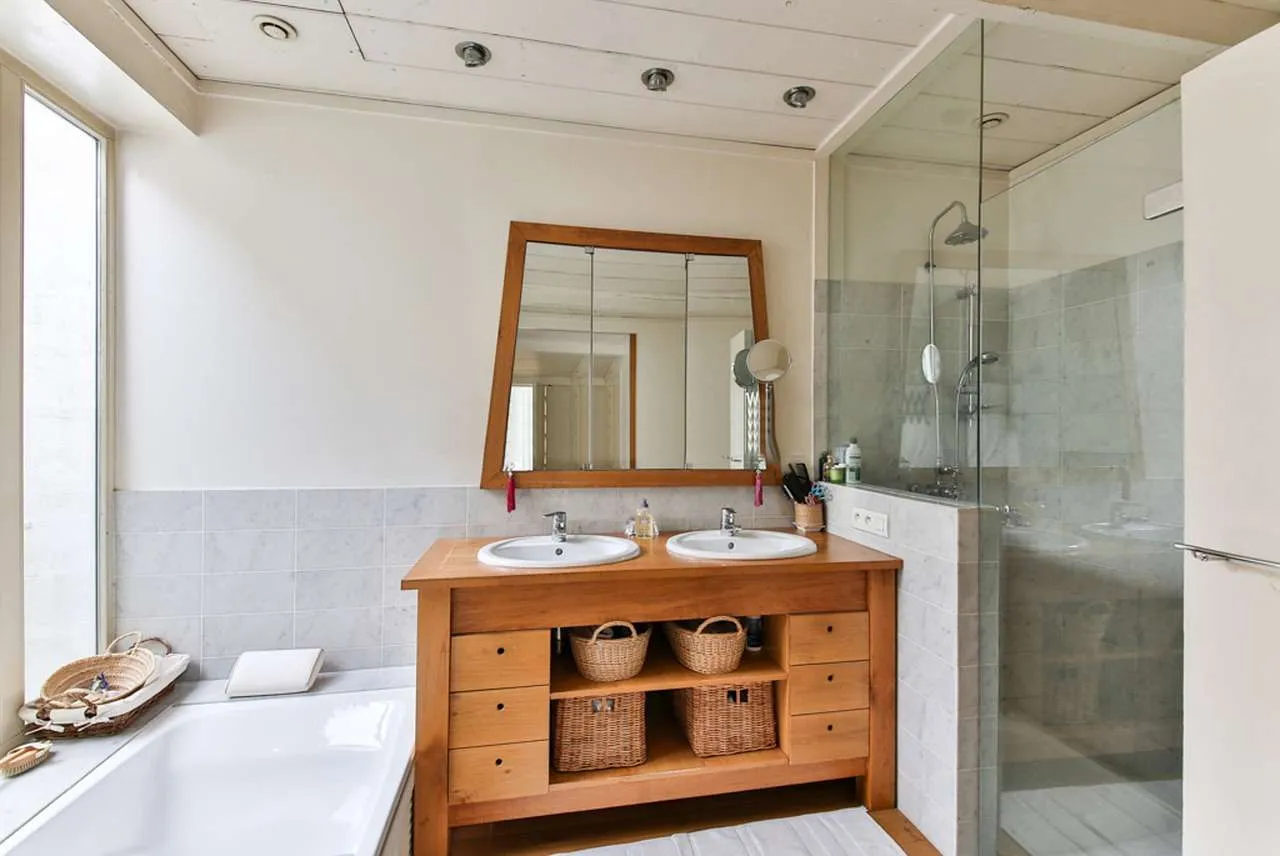
Home window tint is a thin film applied to the inside or outside surface of glass to reduce heat, glare, and UV exposure. When chosen with care, it can improve comfort, protect furnishings, and lower energy costs without sacrificing daylight or clarity.
What is home window tint?
Window tint for homes is not just cosmetic; it is a multi-layer film designed to filter sunlight. Most films are made of a polyester substrate with coatings that reject UV light, reflect infrared heat, or absorb glare. The result is a cooler interior, less fading on fabrics, and a more comfortable living space.
How window tint works
Window films work by absorbing or reflecting a portion of ultraviolet and infrared rays before they reach indoor surfaces. Different films use different technologies, such as dyed layers, metallic particles, or ceramic compounds, to balance energy savings with visibility. Premium films provide strong heat rejection while preserving color accuracy and natural light.
Types of window tint films
Dyed film
Dyed films are among the most budget-friendly options. They darken glass to reduce glare and add privacy. UV rejection is good, but the dye can fade or shift over time, and metal-free dyed films may offer modest heat control compared with higher-end options.
Metalized film
Metalized films reflect a portion of heat with tiny metal particles. They typically offer strong glare reduction and energy savings, but some types can interfere with electronics or cell signals and may require professional installation to avoid warping or bubbling.
Ceramic and nano-ceramic films
Ceramic films use ceramic particles to reject heat without blocking light or altering color. They offer excellent UV protection, high glare reduction, and strong energy savings with minimal impact on visibility or electronics. Nano-ceramic variants are similar but use advanced particles for even higher performance.
Carbon film
Carbon films provide good heat rejection with a neutral appearance and minimal reflectivity. They are durable and resist fading, making them a popular mid-range choice for homeowners seeking comfort and style.
Reflective and dual-reflective films
Reflective films create a mirror-like appearance from the outside, reducing visibility into the home and greatly cutting heat. They can be very effective but may be subject to local rules about reflectivity and can alter the exterior look of your home. Choose these carefully if you want a discreet interior and exterior appearance.
Benefits you can expect
- Better comfort by lowering heat in hot rooms and blocking glare from the sun.
- Stronger UV protection to protect furniture, flooring, and fabrics.
- Improved privacy without sacrificing daylight.
- Lower energy usage and potentially reduced cooling costs.
- Added safety and security by holding shattered glass together in case of breakage (with certain films).
What to consider before installing
Before you tint, assess window compatibility, existing coatings, and warranty implications. Some windows or tint products require specific adhesives or heat treatments. Check product warranties and confirm whether the installation will affect glass manufacturer warranties. Also note local regulations on tint darkness, especially for street-facing windows or bedrooms.
Choosing the right film
Consider climate, room function, and how much daylight you want to retain. For sunny rooms, higher heat rejection with minimal glare is ideal; for privacy, choose a film with appropriate VLT. Budget constraints may steer you toward mid-range films, but investing in ceramic or nano-ceramic options often yields long-term energy savings and clarity that cheaper films cannot match.
Cost, ROI and installation options
Home window tint prices vary by film type, window size, and installation labor. Expect a range that reflects the material and professional service. DIY kits exist but professional installation ensures proper adhesion, edge sealing, and warranty coverage. A properly installed film can improve comfort, reduce fading of furnishings, and save energy over time, contributing to a favorable return on investment.
Table: Comparison of common window tint film types
| Film Type | UV Rejection | Glare Reduction | Energy Savings | Typical Cost | Maintenance | Best For |
|---|---|---|---|---|---|---|
| Dyed | High | Moderate-High | Low-Moderate | Low | Medium fade risk | Budget projects, privacy |
| Metalized | High | High | Medium-High | Medium | Low maintenance | Heat control, glare |
| Ceramic | Very High | Very High | High | High | Low | Premium performance |
| Carbon | High | High | Medium-High | Medium-High | Low | Balanced performance |
| Reflective | High | High | High | Variable | Low | Maximum privacy |
DIY vs professional installation
While DIY tint kits are available, professional installation ensures precise cutting, no air bubbles, proper edge sealing, and product warranties. A pro can assess window condition, clean frames, and apply the film with heat and curing methods that deliver long-lasting results. Expect a clean finish, grid alignment for double-hung or larger panes, and a final inspection for any micro-bubbles.
Maintenance and care
Keep the film clean with a soft cloth and a non-abrasive cleaner. Avoid ammonia-based products that can damage coatings. Routine inspections for edge lifting or bubbling will catch issues early. With proper care, high-quality films can last 10 to 20 years, depending on climate and exposure.
Conclusion
Choosing the right home window tint involves balancing heat rejection, glare control, privacy, and cost. By understanding film types, evaluating climate needs, and working with a qualified installer, you can maximize comfort, protect interiors, and improve energy efficiency while preserving natural light and view.
Summary: Home window tint improves comfort, protects interiors from UV fading, reduces glare, and enhances privacy. Different film types offer varying levels of UV rejection, heat control, and cost, with ceramic and nano-ceramic options delivering the best overall performance. A professional assessment helps ensure compatibility and warranty protection, and a careful choice yields long-term energy savings and a steadier interior climate.