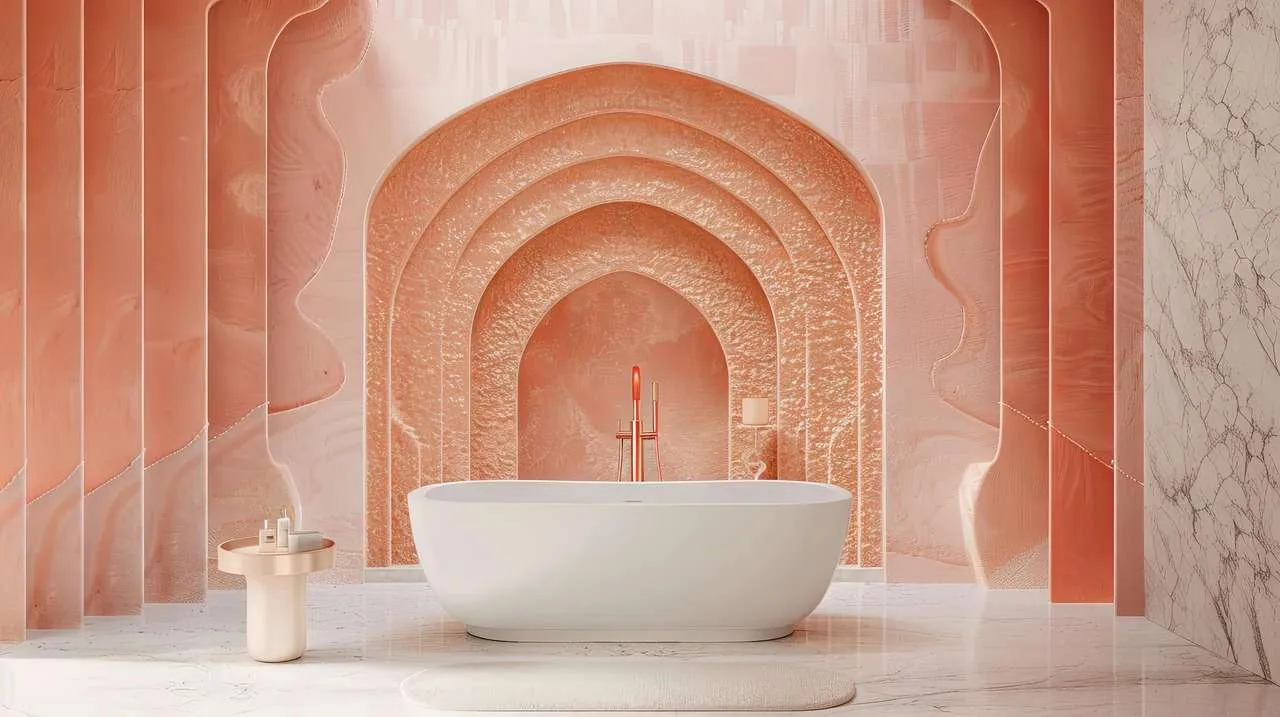
Choosing bathroom tile affects style, durability, slip resistance, and moisture management. This guide uses a practical, EEAT-aware approach to help homeowners and designers pick the right bathroom tile for walls, floors, and showers.
What is bathroom tile?
Bathroom tile refers to ceramic, porcelain, natural stone, glass, or metal tiles installed in wet rooms. Tiles protect surfaces, create design statements, and simplify maintenance. The right tile depends on location (floor vs wall), moisture exposure, and traffic.
Types of bathroom tile
Ceramic tile
Ceramic tile is a common, affordable option made from clay and glaze. It comes in a broad range of colors and patterns. Glazed ceramic tiles resist staining and are easy to clean; however, they can be less durable on floors in high-traffic bathrooms.
Porcelain tile
Porcelain is a dense, low-porosity tile that performs well in floors and showers. Its low water absorption makes it highly resistant to water and staining, and it often features a more uniform appearance. It can be more expensive and tricky to cut, so planning is essential.
Natural stone tile
Stone like marble, granite, slate or travertine adds luxury and unique veining. Stone requires sealing and regular maintenance to protect against water penetration and staining. Some stones are more slip-prone when wet, so texture matters for floors.
Glass tile
Glass tiles add shine and color accents, ideal as backsplashes or shower enclosures. They can be slippery when wet on floors and require careful installation to prevent scratching in high-traffic areas.
Metal tile
Metal tiles (stainless steel, copper) offer contemporary flair and durability, often used as accents. They show water spots and scratches more noticeably, requiring gentle cleaning.
Key factors when choosing bathroom tile
Durability and water resistance top the list. Consider the location: floors in wet rooms demand high slip resistance and low porosity. Maintenance needs, substrate prep, and installation quality also affect long-term performance. The size and layout influence grout lines, patterns, and perceived space.
- Slip resistance: Look for tiles with a high dynamic coefficient of friction (DCOF) for floors.
- Water absorption: Porcelain (≤0.5% to 1%) vs ceramic (3–8%) vs natural stone (varies, often requires sealing).
- Substrate prep: Concrete, existing tile, or backer board must be sound and waterproofed.
- Pattern and size: Large-format tiles create a seamless look; small mosaics offer texture for showers.
Design ideas for bathroom tile
Modern bathrooms benefit from large-format porcelain or ceramic on floors with a glass or ceramic wall tile. Traditional spaces may use subway tiles in a brick pattern, paired with decorative borders. For showers, consider a niche with a contrasting tile and a linear drain for a clean, spa-like finish. Mosaic accents in a shower or behind a vanity backsplash can add color and texture without overwhelming the space.
Installation basics
Proper installation starts with waterproofing and substrate prep. A licensed installer can ensure the right thinset mortar, grout type, sealant, and curing times are used. Helpful tips:
- Plan layout with dry runs, especially in small bathrooms where cuts matter.
- Use backer board in wet areas to improve stability and waterproofing.
- Choose epoxy grout for high-moisture zones or cement-based grout for typical bathrooms.
- Seal natural stone and consider impregnating sealants to protect against stains.
Maintenance and cleaning
Regular cleaning prevents staining and mildew. Use pH-balanced cleaners, avoid acidic products on natural stone, and reseal stone periodically. For tile floors, a weekly wipe-down and annual professional grout cleaning can extend life and preserve color.
Comparison of common bathroom tile materials
| Tile material | Durability | Water absorption | Slip resistance | Maintenance | Cost |
|---|---|---|---|---|---|
| Ceramic | High (glazed) | Low–Moderate (3–8%) | Medium | Medium | Low |
| Porcelain | Very High | Very Low (≤1%) | Medium–High | Low | Medium |
| Natural stone | Varies (with sealing) | High without sealer | Medium | High | Medium–High |
| Glass | Medium | Low | Medium | Medium | High |
| Metal | High | Low | Medium | High | High |
Conclusion
The right bathroom tile balances durability, slip resistance, maintenance, and design. Ceramic and porcelain offer versatile choices for walls and floors, natural stone adds luxury when sealed and cared for, and glass or metal tiles shine as accents. A thoughtful layout, proper waterproofing, and a quality installation ensure long-lasting performance. For best results, consult licensed professionals for tricky cuts, waterproofing, and sealing to maximize both safety and style.
Summary: By understanding tile types, installation considerations, maintenance, and design options, you can select a bathroom tile plan that fits your space, budget, and lifestyle while ensuring lasting value and a polished look.